Costyle: A Handwritten Font for Modern Web Design
As a web designer, the right font can make or break a digital experience. Costyle, a handwritten font from Script Amp, offers a unique blend of personality and readability that works well across various design contexts. Its flowing script style brings warmth and authenticity to any project, making it ideal for creative applications where visual storytelling matters.
Visual Characteristics and Digital Appeal
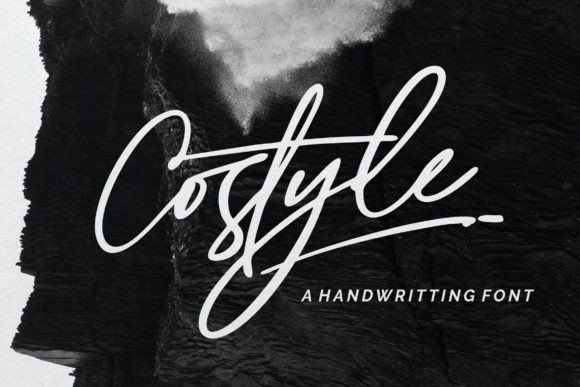
Costyle features a natural, organic flow that mimics real handwriting. This gives it a personal touch that stands out in digital environments. The font’s signature style is both elegant and approachable, which makes it suitable for logos, badges, labels, and packaging design. Its clean lines and balanced structure ensure that it remains legible even when used on smaller screens or in fast-scrolling content sections.
The subtle variation in stroke weight and character spacing adds depth without compromising clarity. These qualities help maintain a consistent visual rhythm, which is essential for maintaining user focus and guiding their scanning behavior on websites and landing pages.
Using Costyle in Web Layouts
Costyle shines in hero sections, call-to-action areas, and website headers where a strong visual hierarchy is needed. It works especially well for short phrases, taglines, and brand names. For example, using Costyle as the main headline on a creative portfolio site can immediately set the tone and reflect the designer's personal style.
In an online store, Costyle could be used for product banners or promotional headlines to create a sense of exclusivity and craftsmanship. Similarly, for a coaching website, the font can add a friendly and professional vibe to section headings or testimonials.
When designing a course sales page, Costyle can be used sparingly to highlight key selling points or to decorate a feature section with a hand-drawn feel. Pairing it with a clean sans serif font for body copy ensures that the design remains readable while still feeling visually engaging.
Readability and Responsive Design
While Costyle is best suited for display purposes, its readability on mobile screens is impressive given its script nature. When using it on small buttons or within responsive layouts, it’s important to ensure sufficient contrast against backgrounds—whether light or dark. Testing different color variations and spacing can help maintain legibility across all devices.
For image overlays or background text effects, Costyle can add a decorative element without overwhelming the content. However, it should be used thoughtfully to avoid distractions, especially in high-traffic areas like landing pages or e-commerce banners.
Font Pairing and Brand Identity
Pairing Costyle with a complementary typeface can enhance the overall design aesthetic. A simple sans serif font such as Helvetica or Arial can serve as a strong counterpoint, ensuring that body text remains easy to read while the script font draws attention to key elements.
For editorial designs or blog headers, pairing Costyle with a serif font can create a more traditional yet modern look. This combination works particularly well for niche brands or content platforms that aim to convey authority and creativity simultaneously.
Considering the brand identity, Costyle aligns well with businesses that value individuality and craftsmanship. Whether it’s a boutique online store or a SaaS startup looking to stand out, this font can help reinforce a consistent and memorable visual identity.
Commercial Use and Licensing
Before integrating Costyle into client projects, online stores, or digital templates, it’s crucial to review the commercial licensing terms provided by Script Amp. Ensuring that the font is properly licensed for use across multiple platforms and devices is essential for avoiding legal issues and maintaining professionalism.
Costyle comes with a range of styles and file formats suitable for web use, including webfont availability. Checking for multilingual support is also important if the font will be used across different regions or languages.
Practical Applications and Examples
For a creative portfolio, Costyle can be used in the header to introduce the designer’s name and tagline, creating an immediate emotional connection with visitors. On a boutique online store, it can be applied to product titles or promotional banners to give the brand a personalized feel.
In a coaching website, Costyle might appear in section headings or as part of a quote block to emphasize key messages. For a digital brand kit, it can be used as the primary font for logo design, social media graphics, and email headers, reinforcing brand consistency across all touchpoints.
When designing a product landing page, Costyle can be used to highlight feature titles or benefits, drawing attention to what makes the product unique. In a blog header, it can serve as a decorative accent, adding a touch of elegance to the content layout.
By carefully selecting where and how to use Costyle, designers can create visually compelling and functionally effective digital experiences that resonate with users and support business goals.