Balkony Font for Modern Web Design
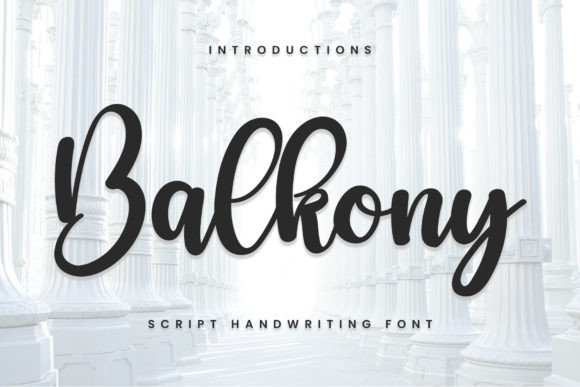
Balkony is a handwritten font that brings a touch of elegance and modernity to digital design. As a web designer, I've found it particularly useful for creating visual interest without compromising readability. Its calligraphic influences give it a personal, artistic feel while maintaining a clean, contemporary structure.
Visual Characteristics and Style
Balkony's character set includes subtle variations in stroke weight and flow, which mimic the natural movement of handwriting. This makes it ideal for projects that require a personal or creative tone. The font has a soft, approachable look that works well with both minimalist and maximalist design styles.
The script style of Balkony adds a sense of warmth and authenticity, making it perfect for brand-focused content where a human touch is essential. It also maintains clarity even at smaller sizes, which is crucial for responsive web design and mobile optimization.
Applying Balkony in Web Layouts
When designing website headers or hero sections, using Balkony as a display font can instantly elevate the visual appeal. It pairs beautifully with sans serif fonts for body copy, ensuring a balance between decorative elements and legible text.
For landing pages and call-to-action areas, Balkony can be used sparingly to highlight key messages or buttons. Its fluid lines help draw attention without overwhelming the user. In online shop banners or product highlights, this font can add a unique flair that differentiates your brand from competitors.
On blog headers or course sales pages, Balkony can be used to create an inviting and professional tone. It works especially well when paired with a complementary sans serif font for longer blocks of text, ensuring that the reader can easily scan through content without visual fatigue.
Readability and Visual Hierarchy
One of the most important aspects of any font is its impact on readability. Balkony, despite being a script font, is designed with clear letterforms that remain legible even at smaller sizes. This makes it suitable for use in section headings, navigation menus, and other UI elements where clarity is paramount.
Using Balkony in visual hierarchy helps guide the user's eye through the page. For example, pairing it with a bold sans serif font for subheadings creates a dynamic contrast that enhances the overall layout rhythm. When used in conjunction with appropriate spacing and alignment, it ensures that the content remains easy to follow and visually engaging.
Brand Tone and User Engagement
The personality of Balkony aligns well with brands that want to convey creativity, professionalism, and approachability. Whether you're designing a boutique online store, a coaching website, or a portfolio site, this font can help establish a consistent brand identity across all digital assets.
Its versatility allows it to fit into various contexts—from editorial design to packaging design—making it a valuable addition to any designer's toolkit. The font's modern yet elegant appearance helps build trust and familiarity with users, encouraging them to engage more deeply with your content.
Practical Typography Tips
When using Balkony, it's important to consider how it interacts with other design elements. For instance, using it on dark backgrounds may require adjustments in color or contrast to maintain readability. Similarly, when applying it to small buttons or overlays, ensuring sufficient spacing and avoiding overly complex characters is essential.
Font pairing plays a significant role in achieving a cohesive design. Balkony works exceptionally well with clean sans serif fonts like Helvetica or Arial for body text. This combination provides a strong visual contrast while maintaining a harmonious aesthetic.
Before implementing Balkony in a project, always check the available styles, weights, and file formats. Ensuring that the font supports multilingual characters can be crucial for global audiences. Additionally, verifying that commercial licensing covers all intended uses—such as websites, client projects, or digital templates—is vital to avoid legal issues.
Real-World Applications
In a creative portfolio, Balkony can be used to title projects or introduce sections with a personal touch. For a boutique online store, it can enhance the branding of product titles or promotional banners. On a coaching website, it can be used to highlight key services or testimonials in a warm, inviting way.
When designing a product landing page, Balkony can help emphasize key selling points or value propositions. In a blog header, it can add a unique flair that reflects the author's personality. For a digital brand kit, including Balkony as part of the typography system ensures consistency across all marketing materials.
Whether you're working on social media graphics, editorial layouts, or packaging design, Balkony offers a versatile solution that blends artistry with functionality. Its ability to adapt to different contexts makes it a go-to choice for designers looking to create memorable and impactful digital experiences.